Labour Wins Historic Landslide as Starmer Enters Downing Street
Keir Starmer's Labour Party secured 412 seats in the 4 July general election — its largest majority since 1997 and the most decisive Conservative defeat in over a century of British politics.
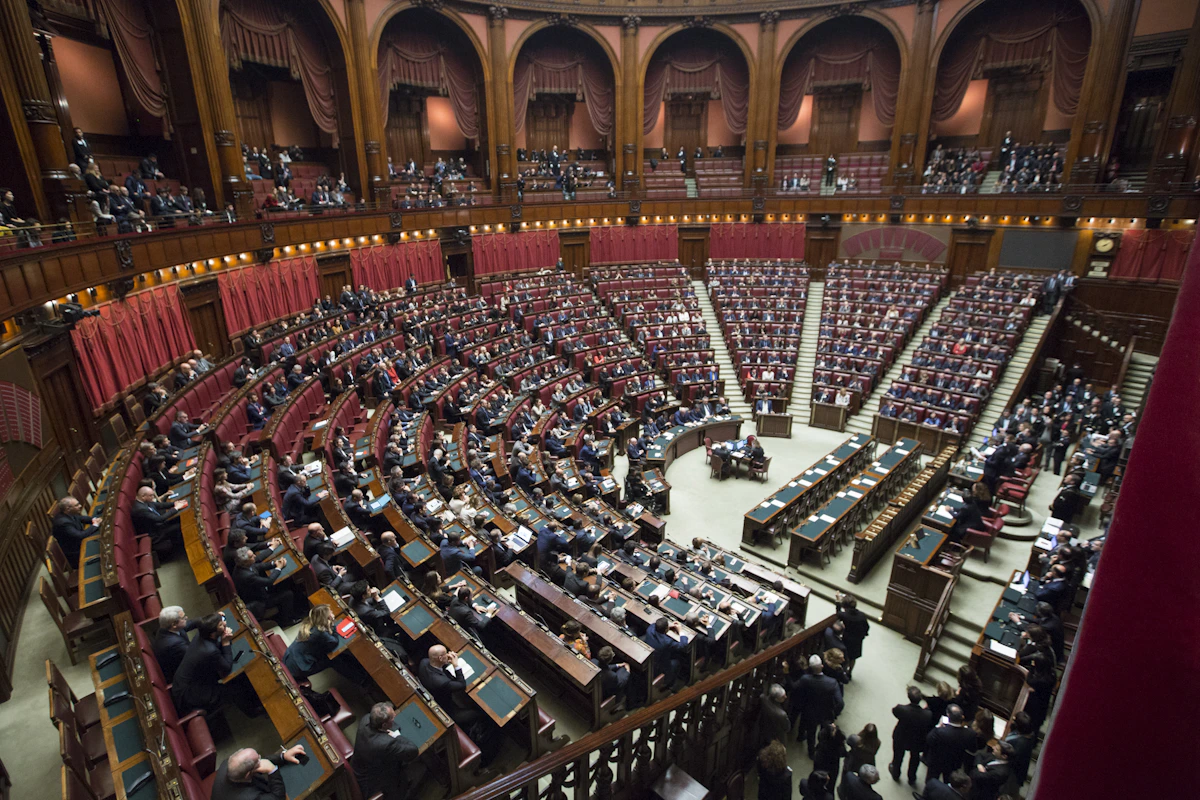
The Houses of Parliament at Westminster, London. Photo: Unsplash / Luca Bravo
- Labour won 412 seats — a majority of 174 over all other parties combined
- The Conservatives won just 121 seats, their worst result since 1906
- Rishi Sunak resigned as Conservative leader on election night
- Voter turnout was 59.9%, the lowest in a UK general election since 2001
- Nigel Farage's Reform UK won 14 seats and 14.3% of the popular vote
Shortly after 10am on 5 July 2024, Keir Starmer stood at the podium outside 10 Downing Street and addressed the country as its 58th Prime Minister. Behind him was a Labour Party that had transformed itself from the wreckage of four consecutive election defeats into a political force that swept 412 seats — a majority of 174, the largest since Tony Blair's landslide of 1997.
The scale of the Conservative collapse was without modern precedent. Rishi Sunak's party won just 121 seats on a vote share of 23.7%, losing more than 250 seats and seeing cabinet ministers including Penny Mordaunt, Grant Shapps and Jacob Rees-Mogg all defeated in their constituencies. Sunak himself retained his seat in Richmond and Northallerton, before announcing his resignation as party leader on the steps of CCHQ shortly before noon.
"Change begins now. Not tomorrow, not in a year. Now." — Sir Keir Starmer, speaking outside 10 Downing Street, 5 July 2024
How Labour won
The result was shaped less by enthusiasm for Labour than by a collapse of confidence in the Conservatives following years of political turbulence — three prime ministers in 45 days in 2022, the Liz Truss mini-budget that triggered a bond market crisis, and a cost-of-living squeeze that left millions of households materially worse off than they had been in 2019.
Labour's campaign was deliberately cautious and presidential, centred on Starmer's personal promise of "stability" and "national renewal" rather than a transformative policy programme. The party offered modest fiscal commitments, refused to raise income tax for higher earners and pledged to stick to Conservative spending plans for the first year of government. Critics on the left argued it was a platform built to win the election rather than to govern the country.
The Liberal Democrats also had an extraordinary night, winning 72 seats — their best result ever — by targeting wealthy Conservative-leaning seats in the south and south-west of England. The SNP saw a significant reduction in its Scottish dominance, with Labour winning 37 Scottish seats compared to nine in 2019.
The Reform factor
The most striking sub-plot of the night was the performance of Reform UK. Nigel Farage's party won 14.3% of the national vote — more than the Liberal Democrats — and secured five seats, with Farage himself finally winning election to Parliament in Clacton on his eighth attempt. While Reform's seat total was modest relative to its vote share under Britain's first-past-the-post system, its presence fundamentally complicated the Conservative path back to power: with roughly four million votes split between the two right-of-centre parties, the mathematics of any future Conservative recovery looked forbidding.
What Starmer's government faces
The incoming Labour government inherited an economy in fragile recovery from the inflationary shock of 2022–23, a National Health Service with record waiting lists of over 7.5 million patients, a crumbling public infrastructure after more than a decade of austerity, and — following an emergency budget statement from Chancellor Rachel Reeves — a claimed £22 billion "black hole" in the public finances that the Conservatives disputed but could not credibly deny.
Starmer moved quickly to set the tone of his administration. In the first days of government he convened a global summit on Ukraine, committed to meeting NATO's 2% of GDP defence spending target, and began the process of establishing a publicly-owned energy company, GB Energy, headquartered in Scotland. The size of his majority gave him room to legislate that few incoming prime ministers had enjoyed. Whether he would use it — and how — remained the defining question of British politics.